
Locate the moisture source
Roof or plumbing leaks, groundwater, poor drainage, open vents, humid air, wet soil and HVAC condensation require different corrections.
Removing visible mold is only part of the job. A lasting improvement also requires attention to the leak, drainage, ground moisture, humidity, or condensation that allowed the area to stay damp. We evaluate the affected materials and the moisture conditions so the cleanup plan addresses both.
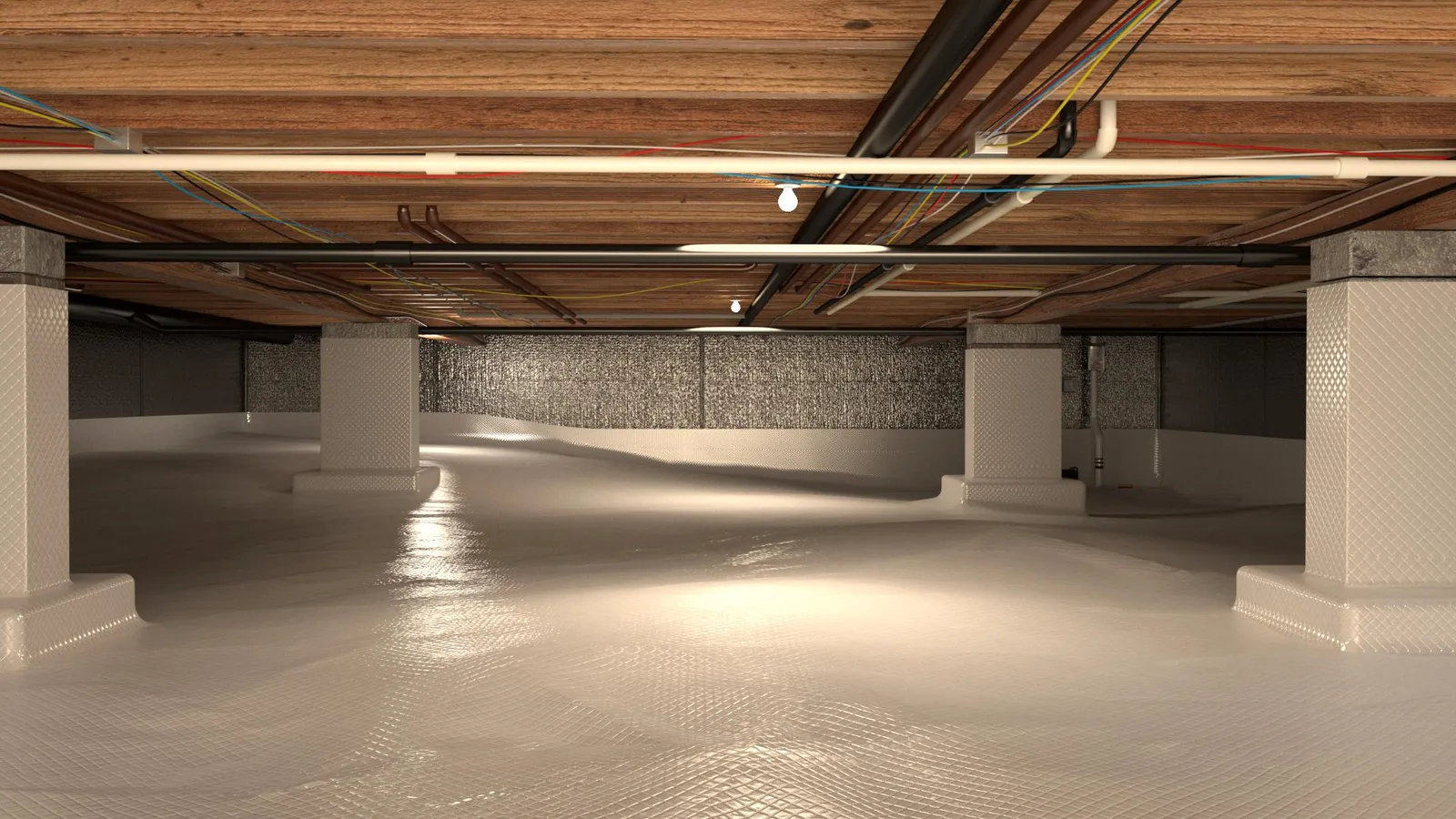
Mold removal is appropriate when visible growth or moisture-damaged material needs to be cleaned or removed and the source of dampness must be understood at the same time.
We start with the affected materials, the moisture history, access to the area, and the conditions that may be keeping it damp.
Roof or plumbing leaks, groundwater, poor drainage, open vents, humid air, wet soil and HVAC condensation require different corrections.
Wood framing, insulation, drywall, stored contents and soil surfaces are handled differently. Damaged porous material may require removal rather than surface cleaning.
Mold cleanup, debris removal, drainage, vapor barrier, encapsulation and dehumidification are related but distinct scope items.
Testing may be useful for disputed conditions, documentation, sensitive occupants or post-work verification. Visual inspection alone cannot prove the species present or provide independent clearance documentation.
The work may include cleaning, damaged-material removal, drainage, vapor control, drying, or dehumidification. We will explain what addresses the conditions we can observe.
Treat accessible affected framing and surfaces according to the agreed method after moisture conditions are understood.
Remove contaminated or moisture-damaged materials where cleaning is not appropriate.
Coordinate drainage, vapor barrier, sealing, encapsulation or dehumidification items that address the identified conditions.
Document humidity targets, drainage observation, dehumidifier care and inspections that help you monitor the space.
We focus on the building conditions: where moisture may be coming from, which materials are affected, and what can help reduce the chance of the problem returning.
We look for the leak, drainage, ground moisture, humidity, or condensation that allowed the area to stay damp.
Wood framing, insulation, drywall, stored contents, and soil surfaces are evaluated separately. Some materials can be cleaned; others may need removal.
Appearance alone cannot reliably identify a mold species. Independent testing is the right path when laboratory identification or clearance documentation matters.
No building is maintenance-free. We explain the included moisture-control work and the monitoring or upkeep that can help reduce the chance of recurrence.
We review the affected area, moisture history, access, and materials first, then arrange the cleanup and moisture-control work in a practical order.
We review visible conditions, odors, leaks, drainage, humidity, access, past repairs and the areas you are concerned about.
Affected surfaces, exclusions, removal items, containment or protection and moisture corrections are listed in your estimate.
Leaks, drainage or humidity-control work is handled by the appropriate trade or project team before or alongside cleanup in the planned sequence.
Accessible surfaces are treated and damaged materials included in the work are removed according to the agreed cleanup method.
The completed work is reviewed, equipment or vapor-barrier care is explained and independent testing remains available when you request it.
The price depends on the size of the affected area, access, material condition, removal needs, protection or containment, moisture-control work, equipment, and hidden damage.
Your estimate will clearly list the work, materials, selections, and responsibilities included in the price. Requested changes are discussed before additional work moves forward.
We serve Jasper, Pickens County, and nearby North Georgia communities. The first step is understanding where the moisture is coming from and which materials have been affected.
Service is available in Jasper, Pickens County, Ball Ground, Canton, Ellijay, Blue Ridge, and surrounding North Georgia communities. Send the address, photos, and a brief moisture history so we can review the next step.
No reliable species identification should be based on appearance alone. Laboratory testing by an independent qualified provider is the appropriate path when identification is needed.
Mold can return if damp conditions return. Recurrence risk is reduced by addressing moisture, maintaining humidity and correcting leaks or drainage problems, but buildings require ongoing care.
No. The moisture source and crawl-space condition determine the recommendation. Some spaces need drainage or vapor-barrier correction; others may benefit from a more complete encapsulation and dehumidification system.
It can be included when identified. Insulation removal, disposal and replacement are separate scope items and may reveal additional conditions.
The work plan depends on location, amount, access and occupant concerns. Customers with health questions should consult a medical professional, and specialized environmental advice may require an independent consultant.
Crawl-space conditions can influence the building, but outcomes vary with construction and HVAC. We focus on observable moisture and material conditions rather than making health or guaranteed air-quality claims.
Send photos and a few details. We will review the project and contact you to discuss the options, timing, and next step.