
Active water comes before cosmetic cleanup
A plumbing leak, roof leak, drainage problem, standing water, or continuing condensation can undo cleanup. Active sources should be identified and assigned for repair as part of the overall plan.
Mold cleanup should not be reduced to spraying a visible stain. The affected material, access, extent, recent water history, drainage, humidity, ventilation, and any active leak all influence the plan. We begin by understanding what happened and what conditions need to change along with the cleanup.
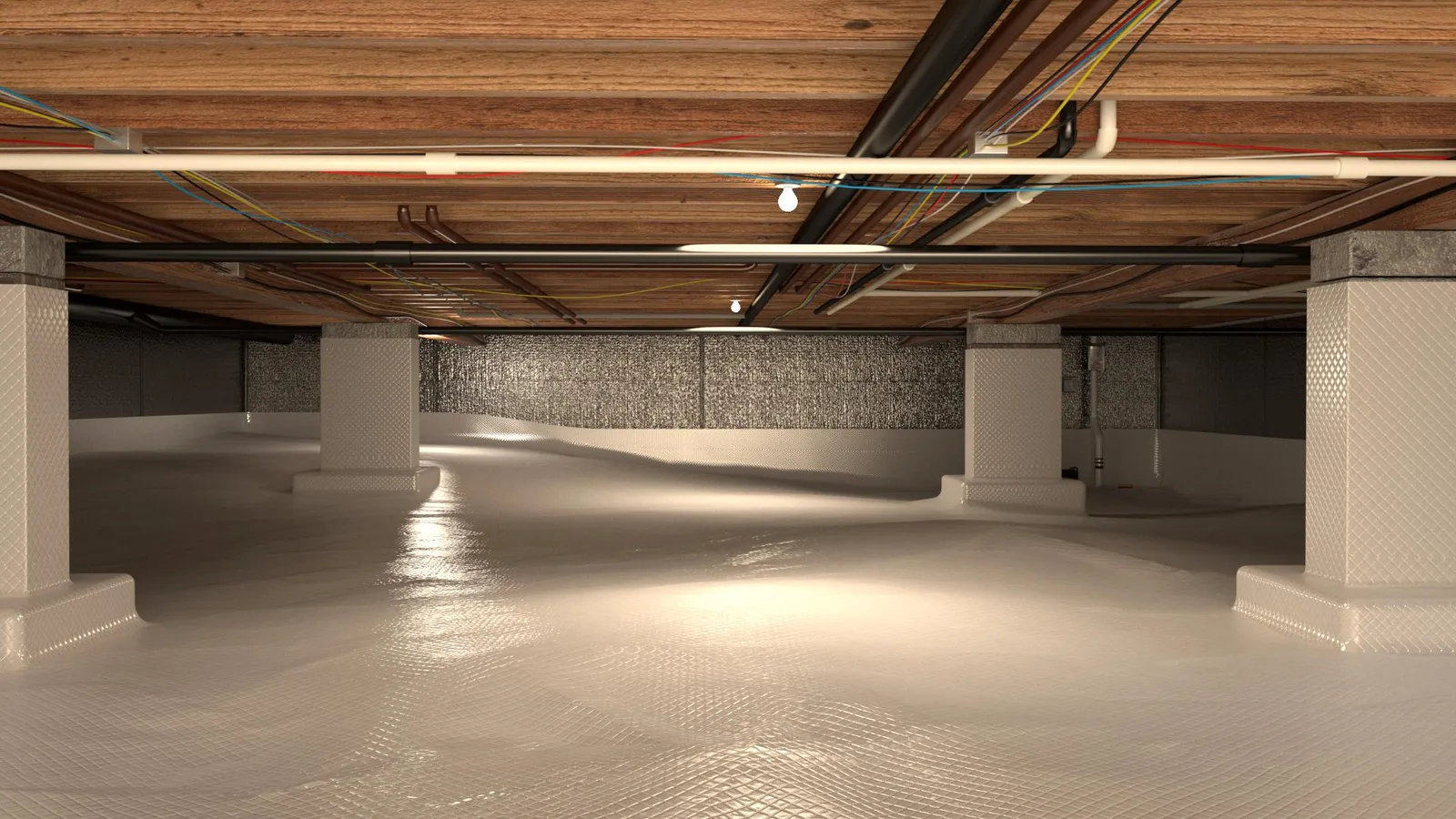
We review visible or suspected mold in crawl spaces, basements, cabinets, rooms, and other accessible areas, then define which materials are cleaned, removed, dried, or handled by another qualified trade.
Visible growth is part of the problem, not the entire problem. Leaks, drainage, damp crawl spaces, condensation, humidity, and wet materials must be considered so the cleanup plan addresses the conditions that allowed the issue to develop.
A plumbing leak, roof leak, drainage problem, standing water, or continuing condensation can undo cleanup. Active sources should be identified and assigned for repair as part of the overall plan.
Dry framing or other sound surfaces may be cleaned under the right conditions. Wet insulation, damaged drywall, soft wood products, carpet, or heavily affected porous material may require removal rather than surface treatment.
A small exposed area in an empty crawl space is different from material above finished ceilings, inside occupied cabinets, or near HVAC returns and belongings. The work path and protection plan matter.
When laboratory identification, air sampling, clearance testing, health interpretation, or an independent protocol is required, it should be provided by a qualified third party rather than represented as part of ordinary cleanup.
The project may involve focused cleaning, selective removal, crawl-space work, drying, or coordination with repairs. The written proposal separates those responsibilities rather than labeling everything “mold treatment.”
Clean or remove a defined visible area where access, material condition, and moisture source are understood.
Remove included porous or damaged materials that cannot reasonably be cleaned, with disposal and surrounding protection stated in the scope.
Address affected framing or surfaces together with listed vapor, drainage, humidity, insulation, or encapsulation improvements when appropriate.
Sequence mold-related work with plumbing, roof, exterior, HVAC, drainage, or reconstruction tasks assigned to the appropriate provider.
A clear mold-removal proposal should identify the visible or suspected work area, access, containment approach, materials to clean or remove, disposal, drying, moisture corrections, and anything requiring an independent tester or another trade.
Defined rooms, crawl-space zones, cabinets, or other work areas. Known water event, suspected source, and active-leak responsibility.
Containment, protection, access, and debris-removal route. Materials to clean, treat, remove, dry, or leave in place.
Disposal, insulation, vapor barrier, drainage, and dehumidification items. Plumbing, roofing, HVAC, structural, electrical, and reconstruction exclusions.
Independent testing, protocol, and clearance responsibility. Access conditions, schedule assumptions, and final written limitations.
The exact plan depends on the location, materials, extent, and water source. The goal is to remove or clean affected material safely within the written scope and reduce the damp conditions that contributed to the problem.
Photos, odors, visible staining, recent leaks, drainage concerns, crawl-space conditions, and prior repairs help define what needs an on-site inspection.
Access, containment, personal protection, nearby belongings, HVAC considerations, and the path for removing debris are considered before disturbance begins.
Porous materials that cannot be reasonably cleaned may need removal. Sound surfaces are treated according to their material and condition rather than covered over without preparation.
Leaks, standing water, drainage, vapor movement, or humidity may require separate corrective work. The proposal will distinguish cleanup from repairs and moisture-control improvements.
The work area is cleaned as specified. When laboratory identification, clearance testing, or medical guidance is needed, those services must come from qualified independent providers.
Mold-removal pricing depends on the size and accessibility of the affected area, material type, demolition, protection, disposal, drying, crawl-space conditions, moisture improvements, equipment, and repair coordination.
Your estimate will identify the work, materials, selections, allowances, exclusions, and responsibilities included in the price. Requested changes are discussed before additional work moves forward.
Canton properties include slab homes, basements, and crawl-space construction across established neighborhoods and newer developments. Moisture can originate from plumbing, roof or exterior leaks, grading, drainage, condensation, or the crawl space, so the address and building conditions matter more than a generic treatment package.
We serve Canton and nearby Cherokee County based on the size, access, and type of project. Send wide photos, close views of the affected material, the approximate dimensions, the project ZIP code, and any known leak or water history for a useful first review.
Homes throughout Cherokee County may have low crawl-space access, exposed soil, aging vapor barriers, foundation vents, basement walls, or drainage conditions that deserve review along with the affected material.
Supply lines, drains, roof penetrations, exterior openings, appliance connections, and condensation can affect cabinets, drywall, flooring, and insulation before the problem becomes obvious.
Canton includes city and county properties, older and newer construction, slopes, wooded lots, and many foundation types. We ask for the address and building details rather than applying one standard package.
Send the project address or ZIP code so we can confirm service, travel, measurement needs, delivery, installation, and scheduling for the specific work. You can also review our complete service area or explore the Jasper service pages.
No. Removal and cleanup address affected materials and conditions within a written work area. Laboratory sampling, species identification, air testing, and clearance documentation are separate services performed by qualified independent providers.
No. A photograph can help identify staining, visible growth, water damage, and access conditions, but it cannot establish species, concentration, exposure, or health effects. Medical concerns belong with a healthcare professional.
A surface chemical alone does not correct wet soil, drainage, leaks, humidity, damaged insulation, or affected porous materials. The cleanup and moisture conditions need to be evaluated together.
Not necessarily. The decision depends on the material, damage, moisture, access, extent, and ability to clean it. Some porous or deteriorated materials may require removal while sound surfaces may be cleaned.
Only when that repair is specifically included and within the agreed scope. Plumbing, roofing, HVAC, structural, exterior, and drainage work may require a separate provider.
Correct active leaks, control ground and exterior water, dry wet materials, manage indoor or crawl-space humidity, maintain drainage and ventilation systems, and monitor the repaired area. The applicable steps depend on the building.
Send photos and a few details. We will review the project and contact you to discuss the options, timing, and next step.